
The Financial Accounting Every Business Owner Needs to Understand
There is a quiet discipline that sits behind every successful business — one that rarely gets the credit it deserves but without which even the most profitable ventures can fall apart. That discipline is accounting. It is not glamorous, and for many entrepreneurs it is not instinctive, but understanding it — at least in its fundamentals — is one of the most valuable things a business owner can do.
This guide is not written for accountants. It is written for people who run businesses, want to start one, or simply want to understand where their money is going and why it matters. We will cover what accounting actually means in practice, why it is far more than just bookkeeping, the core concepts you need to know, and how good financial management can genuinely change the trajectory of a business.
The Three Key Financial Statements
Profit & loss Statement
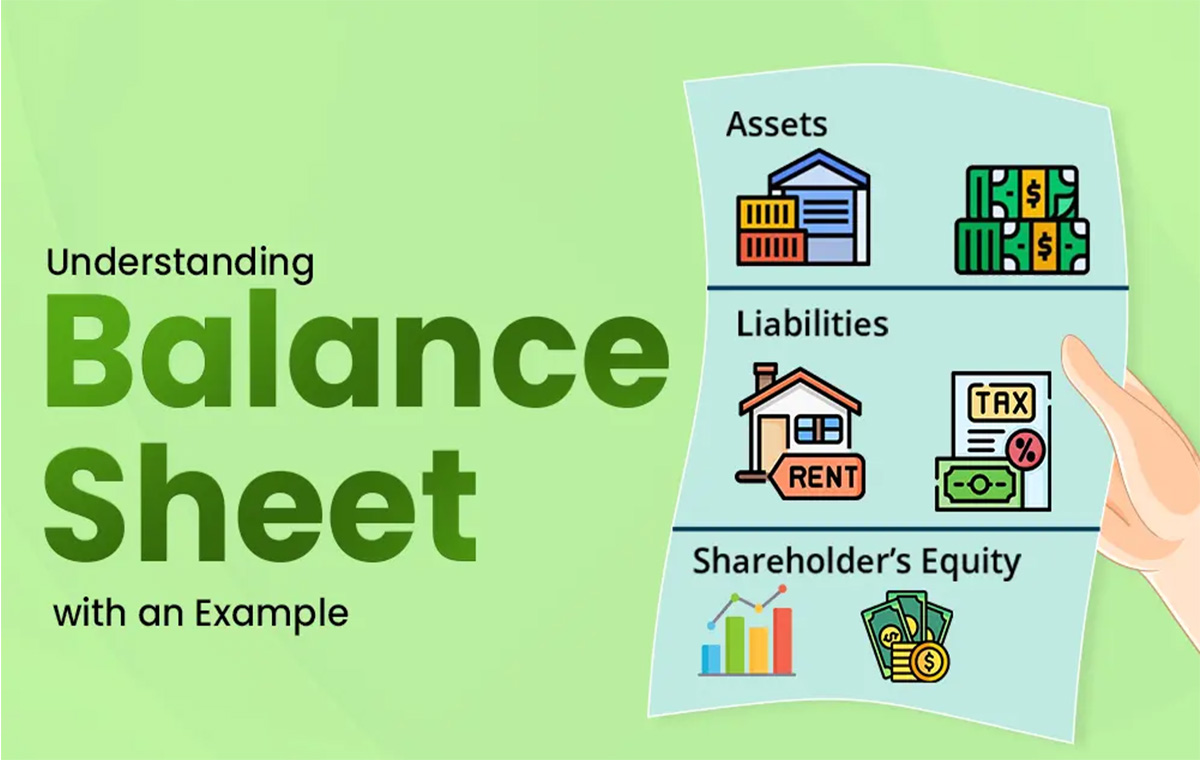
The Balance Sheet
Cash Flow Statement
Core Concepts That Every Business Owner Should Understand
The Accounting Equation
At the heart of every balance sheet is a simple but powerful equation:
Assets = Liabilities + Owner’s Equity
Assets are everything the business owns — cash, equipment, inventory, receivables. Liabilities are everything the business owes — loans, unpaid bills, tax obligations. Owner’s equity is what remains after liabilities are subtracted from assets — essentially, the net worth of the business.
This equation must always balance. Every financial transaction affects at least two parts of this equation, which is the basis of what is called double-entry bookkeeping.
Cash Basis vs. Accrual Basis
These are the two primary methods of recording financial transactions.
Cash basis accounting records income when money is actually received and expenses when they are actually paid. It is simple and easy to follow, and it gives a clear picture of how much cash is in hand at any moment. Many small businesses and freelancers use this method.
Accrual basis accounting records income when it is earned — regardless of when payment is received — and expenses when they are incurred, regardless of when they are paid. It gives a more accurate picture of a business’s financial position over time and is required for larger businesses and those preparing audited financial statements.
Understanding which method your business uses — and why — matters when you are reading your own financial reports.
Revenue, Expenses, and Profit
These three concepts seem obvious, but they are frequently misunderstood.
Revenue is the total income generated by the business through its operations — sales of goods, fees for services, or other income streams.
Expenses are the costs incurred to generate that revenue — salaries, rent, raw materials, utilities, marketing, and so on.
Profit is what remains after expenses are deducted from revenue. But even here, there are distinctions worth knowing:
- Gross profit is revenue minus the direct costs of producing goods or services (cost of goods sold)
- Operating profit is gross profit minus operating expenses (rent, salaries, overheads)
- Net profit is what is left after everything — including taxes and interest — has been accounted for
A business can have strong revenue and still be unprofitable if its costs are not managed. Equally, a business with modest revenue can be highly profitable if it operates efficiently. The numbers tell the story — but only if they are recorded and interpreted correctly.
Get Professional Accounting Support with eLegal Kart
Understanding your financials is important — but managing them accurately, staying compliant, and planning your taxes strategically is work best done with a qualified professional.
eLegal Kart’s chartered accountants bring the expertise your business needs: GST filing, financial statement preparation, tax planning, and audit support — all under one roof. Whether you need ongoing support or help with a specific filing, we are here to make sure your numbers are right.
Reach out to eLegalKart today and take the guesswork out of your financial management.
Frequently Asked Questions
Legal and financial processes can feel overwhelming. Here are answers to the questions we hear most often — so you can move forward with clarity and confidence.
Accounting is the process of recording, managing, and interpreting a business's financial transactions to ensure accuracy, compliance, and informed decision-making.
We offer bookkeeping, financial statement preparation, GST reconciliation, payroll management, and annual accounting — tailored to your business size and needs.
Yes. Even small businesses need accurate records for tax filing, loan applications, and informed decision-making. A professional accountant prevents costly errors early.
Ideally monthly. Regular updates keep your financials accurate, ensure timely return filing, and give you a clear picture of your business performance.
Yes. Our accounting services include GST return filing, TDS compliance, and income tax return preparation — everything managed by qualified chartered accountants.