
Business Licenses and Registrations Every Indian Entrepreneur Should Know About

Running a business in India involves more than having a good product or service. Before you can operate with full confidence — sign contracts, collect payments, export goods, or simply avoid penalties — you need to understand the world of business licensing and company registration. These are not just legal checkboxes. Each one serves a specific purpose, unlocks specific benefits, and in many cases, protects both your business and your customers.

This guide walks through six of the most important registrations and certifications that Indian businesses encounter: GST registration, import-export authorization, MSME registration, FSSAI licensing, ISO certification, and trademark registration. Together, they form the compliance backbone of a well-structured business.

Types of Licenses

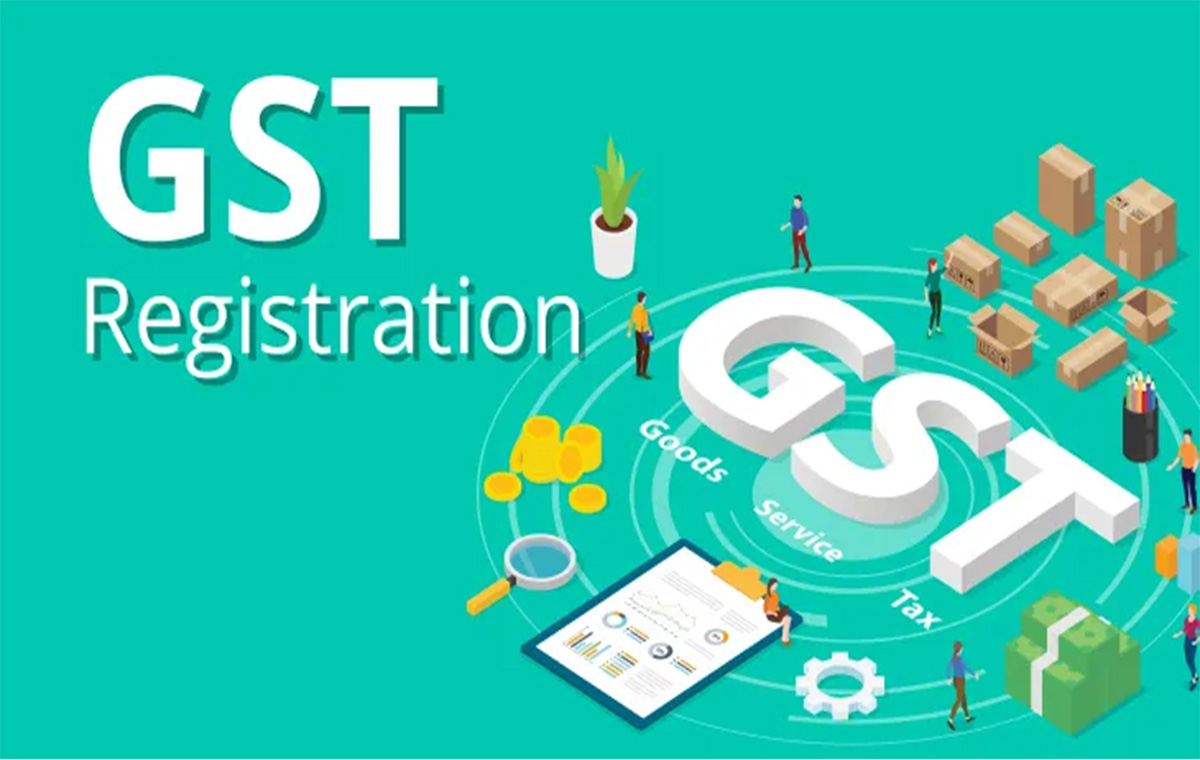
GST Registration

The Goods and Services Tax, commonly known as GST, replaced a fragmented system of indirect taxes in India when it came into effect in July 2017.
Import Export License

If your business ambitions extend beyond India’s borders — whether you want to source raw materials internationally or sell your products to customers abroad — you will need to obtain an Importer Exporter Code, more commonly known as the IEC.
MSME Registration

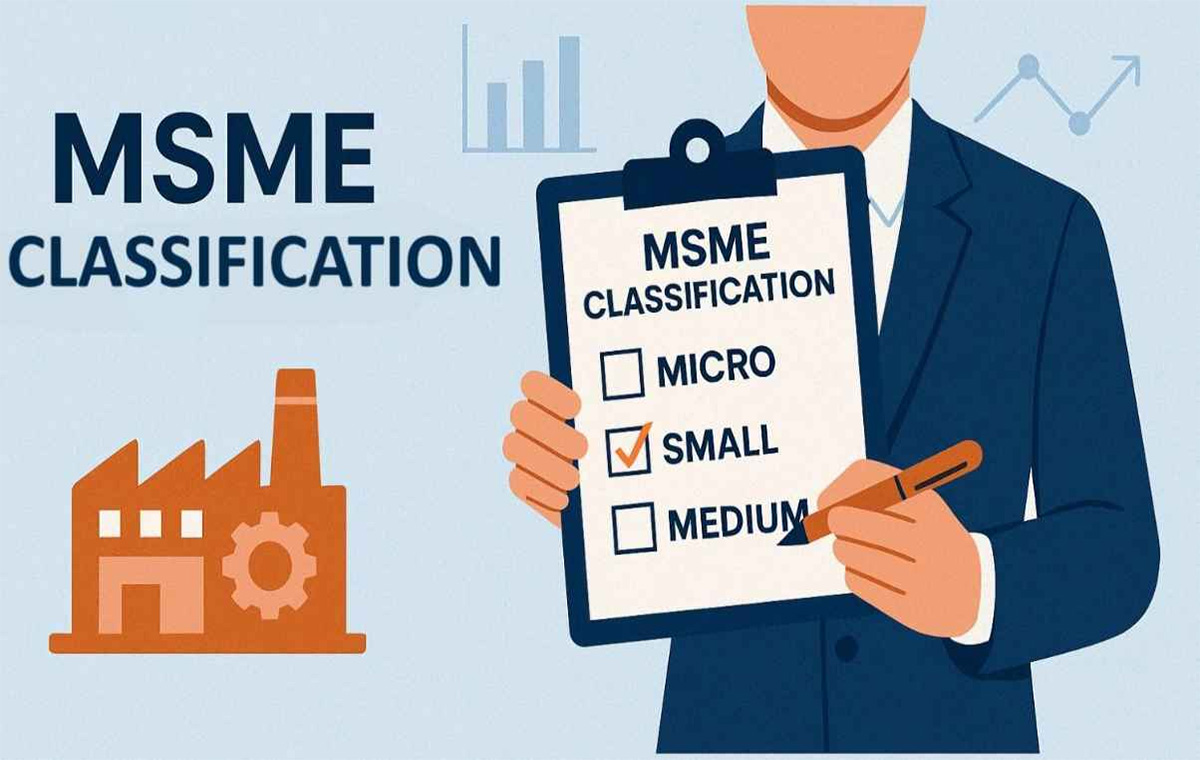
India’s Micro, Small, and Medium Enterprises sector is the backbone of the national economy — contributing around 30% of GDP and employing hundreds of millions of people.
FSSAI License

If your business involves the manufacturing, processing, packaging, storage, distribution, or sale of food products — in any form — you need an FSSAI license or registration.
ISO Certification

Unlike the registrations covered above, ISO certification is not a government-mandated requirement. It is a voluntary international standard issued by the International Organization for Standardization.
Trademark Registration

Every business has an identity — a name, a logo, a tagline, or some combination of these that distinguishes it from everyone else in the market.
Bringing It All Together

Each of these registrations and certifications addresses a different dimension of your business:

  • GST registration handles your tax identity and compliance
  • Import export authorization opens access to global markets
  • MSME registration connects you to government support and financial protection
  • FSSAI licensing ensures food safety and consumer trust
  • ISO certification demonstrates internationally recognized quality standards
  • Trademark registration protects the brand identity you have worked to build

None of these operate in isolation. A food export business, for example, would realistically need FSSAI authorization, an IEC, GST registration, MSME recognition if eligible, and possibly ISO 22000 certification — all working together to make the business credible, compliant, and competitive.

The common thread across all of them is legitimacy. In a marketplace where consumers and clients are increasingly discerning, having your registrations and approvals in order is not a bureaucratic burden — it is a competitive advantage.

Start with what is mandatory for your sector. Then work toward what positions your business best for growth. Each step you take in this direction strengthens the foundation on which everything else is built.

Frequently Asked Questions

Legal and financial processes can feel overwhelming. Here are answers to the questions we hear most often — so you can move forward with clarity and confidence.

A business license is a legal authorization that permits you to operate your business within a specific jurisdiction, sector, or regulatory framework.

We assist with GST registration, FSSAI, MSME, import-export code, trade license, ISO certification, trademark registration, and other sector-specific approvals.


Businesses with turnover exceeding ₹40 lakhs (₹20 lakhs for services) must register. E-commerce sellers and inter-state suppliers must register regardless of turnover.

FSSAI is the food safety license required for any business involved in manufacturing, processing, packaging, selling, or distributing food products in India.

MSME registration formally recognizes your business under the government's small business framework, unlocking priority lending, government tenders, and protection against delayed payments.